Built by security operators who know that findings without proof do not drive action.
Hayrok was founded from a problem repeatedly observed across security programs: organizations have no shortage of findings, but they still struggle to determine which risks are real, which controls work, and what should be fixed first.
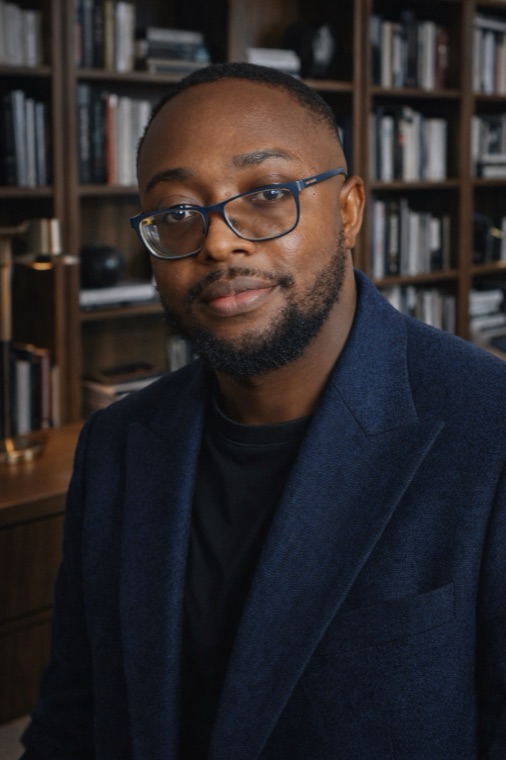
Eight years of building security into complex environments.
Herberth Oshiemele’s experience spans application security, product security, security operations, enterprise software, cloud environments, and operational technology — supporting major consumer platforms, financial technology, retail, industrial technology, and energy environments.
He has held security roles across organizations including PayPal, Early Warning Services · Zelle, Rockwell Automation, Ascena Retail Group, Agip.
Teams could find problems, but they struggled to prove what mattered.
Scanners, application security tools, cloud posture platforms, endpoint tools, SIEMs, penetration tests, and risk dashboards create enormous amounts of valuable information.
But they do not always answer the operational questions security leaders and engineers actually need answered — leaving a growing backlog without enough proof to confidently prioritize, remediate, communicate, and close.
Make continuous validation a standard security operating capability.
Security teams should not have to choose between automation and governance, technical depth and executive clarity, or speed and evidence.
Autonomy without governance is exposure.
As validation becomes more autonomous, governance becomes more important — not less. Hayrok is designed around explicit scope, strong authorization, safety metadata, and human accountability.
Talks, panels, and essays from Herberth.
The books shaping how Herberth thinks about security programs.
A short list, updated occasionally.
From people who have worked alongside Herberth.
Join us in building the evidence layer for modern security.
Hayrok is creating a new operating model for security validation — centered on proof, governance, and continuous improvement.